




Emergency Fund: How Much Do You Need?
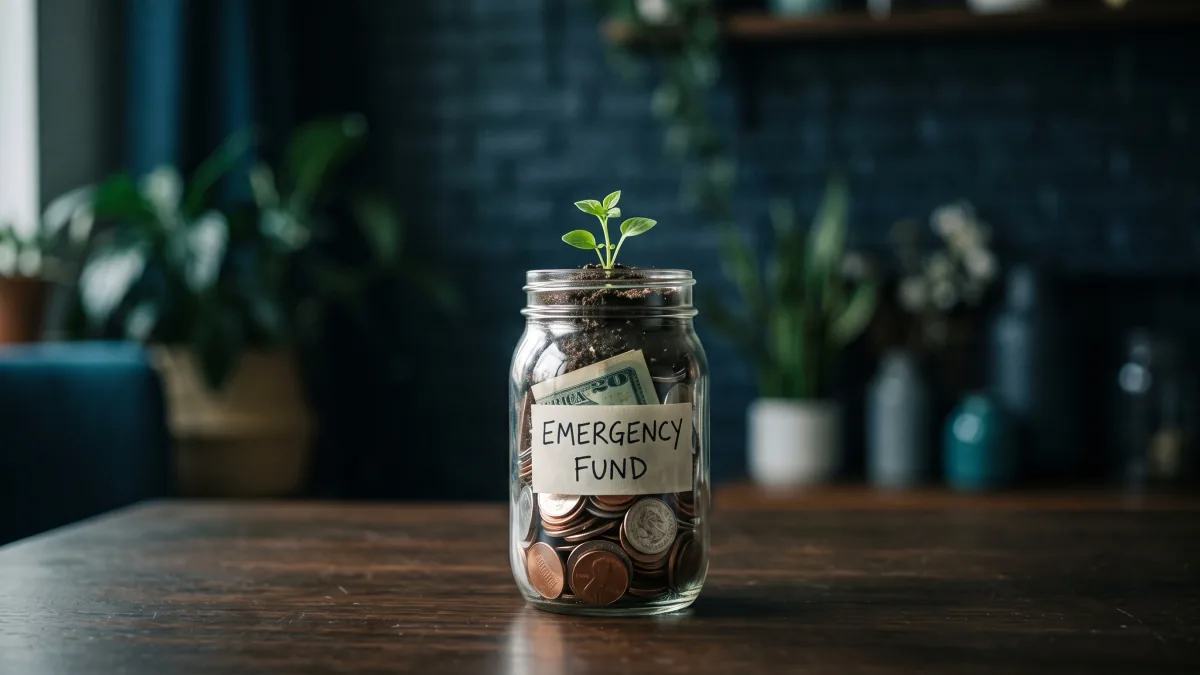
An emergency fund is money set aside for unexpected expenses or a sudden loss of income. A common guideline is to save 3 to 6 months of essential living expenses — but your target depends on your income stability, family responsibilities, and local costs.
On this page20
- What is an emergency fund, and why do you need one?
- How much emergency fund do you need?
- What expenses should you include in your emergency fund calculation?
- How do you build an emergency fund from zero?
- Worked example: How long might it take?
- Where should you keep an emergency fund?
- What counts as a real emergency?
- What should you do if you have debt or irregular income?
- What are the most common emergency fund mistakes?
- How do you rebuild an emergency fund after using it?
- Quick start checklist
- Frequently Asked Questions
- How much emergency fund should a beginner have?
- Should I calculate my emergency fund using income or expenses?
- Is an emergency fund the same as a sinking fund?
- Where should I keep an emergency fund?
- Should I save or pay off debt first?
- Can I invest my emergency fund?
- What counts as an emergency?
- What should I do after using my emergency fund?
What is an emergency fund, and why do you need one?
An emergency fund is money reserved for unexpected financial problems. It gives you a way to cover urgent costs or a temporary income interruption without immediately relying on expensive borrowing or selling long-term investments.
Your emergency fund is different from ordinary savings. You might save for a holiday, a new computer, or a future car repair through planned contributions. Emergency savings are intended for situations you could not reasonably plan for in advance.
An important term is essential expenses: the costs you need to cover to maintain basic living arrangements and responsibilities. They commonly include housing, basic food, utilities, necessary transport, essential healthcare, insurance obligations, and minimum required debt payments.
Liquid savings means money you can access relatively quickly without having to sell an investment or accept a substantial withdrawal penalty. Emergency funds generally need to be liquid because a problem may require payment before your next payday.
How much emergency fund do you need?
A common starting guideline is to save enough to cover 3 to 6 months of essential expenses. This means multiplying your monthly essential expenses by the number of months you want your fund to cover.
Your target is not automatically based on your monthly salary. A person with a high income and high essential costs may need a larger fund than someone who earns less but has lower obligations.
| Monthly essential expenses | Target for 3 months | Target for 6 months |
|---|---|---|
| $1,500 | $4,500 | $9,000 |
| $2,500 | $7,500 | $15,000 |
| $4,000 | $12,000 | $24,000 |
For example, if your essential expenses total $2,500 each month, the three-month target is $2,500 × 3 = $7,500, and the six-month target is $2,500 × 6 = $15,000. These amounts are examples, not recommended targets for every household.
A household with a stable salary and few dependants may feel comfortable beginning with a smaller target. Someone whose income varies or who supports children or other family members may need a larger cushion. Choose a first milestone you can realistically reach, then work towards the larger target as your finances allow.
What expenses should you include in your emergency fund calculation?
Your target should reflect the minimum amount you need to keep your household functioning if an unexpected problem affects your income. Focus on necessary expenses rather than every purchase you normally make.
| Essential expense or need | Usually a want or flexible expense |
|---|---|
| Basic rent or mortgage payment | Home decoration upgrades |
| Basic groceries | Restaurant meals and delivery |
| Electricity, water, and essential utilities | Premium entertainment subscriptions |
| Necessary commuting or transport | Optional trips and leisure travel |
| Essential medication and healthcare | Non-urgent beauty or lifestyle purchases |
| Minimum required debt payments | Extra discretionary shopping |
| Required insurance payments | Optional upgrades to devices |
Some costs depend on personal circumstances. Childcare may be essential for someone who needs it to work, while a particular transport cost may be unavoidable in one location but optional in another. Avoid lowering your estimate so much that it becomes unrealistic.
If you have planned irregular expenses, such as annual insurance or a known school payment, consider saving for them separately through a sinking fund — money set aside gradually for a predictable future expense. That keeps planned bills from being confused with unexpected emergencies.
How do you build an emergency fund from zero?
You can start an emergency fund without having a large amount of money available today. The key is to establish a manageable first goal, create a repeatable saving habit, and protect the money from routine spending.
- Calculate essential expenses. Add the necessary costs you would still need to cover if your income stopped or an urgent problem appeared.
- Set a small first goal. Choose a realistic initial amount that would help with a common unexpected bill in your circumstances.
- Choose a regular contribution. Decide how much you can set aside from each payday without missing essential obligations.
- Automate saving where appropriate. A scheduled transfer may help you save consistently, provided it will not leave your everyday balance short for essential payments.
- Keep the money separate. Make it easy to recognize emergency savings and harder to spend them casually.
- Top it up regularly. Add to the fund when you receive income, and review the amount if your living costs or family responsibilities change.
Worked example: How long might it take?
Suppose your monthly essential expenses are $1,800. A three-month target is $1,800 × 3 = $5,400. If you save $150 each month, reaching $5,400 requires $5,400 ÷ $150 = 36 monthly contributions. That is an illustration of the arithmetic, not a prediction of how quickly you will save. Your contribution may change over time, and using some money for a real emergency will affect your progress.
Where should you keep an emergency fund?
Emergency savings should be accessible, relatively secure, and separate enough from daily spending that you are not tempted to use the money casually. The best arrangement depends on local protections, access rules, fees, and the time you might need to withdraw the money.
| General place or arrangement | Access | Safety considerations | Potential growth |
|---|---|---|---|
| Cash kept securely at home | Immediate | Can be lost, stolen, or damaged | No interest or growth |
| Liquid savings held with a regulated institution | Usually convenient, subject to access rules | Depends on local protections, institution, and account safeguards | May earn interest; rates vary |
| Savings with withdrawal restrictions or a fixed term | May be delayed or limited | Check withdrawal rules and applicable protection | May offer interest, but access can be less flexible |
An emergency fund should not depend on market prices rising at the exact moment you need money. Investments can lose value, and selling them during a downturn can make an emergency more expensive. Before deciding where to keep the money, check the applicable deposit-protection arrangements, access requirements, fees, and interest terms in your country.
What counts as a real emergency?
A real emergency is an unexpected and necessary expense, or a sudden loss of income, that cannot reasonably wait until you can pay for it through your normal budget.
| Situation | Emergency fund? | Why |
|---|---|---|
| An urgent car repair needed to get to work | Usually yes | It may be necessary to maintain income |
| An unexpected essential medical cost | Usually yes | It may require prompt payment |
| A sudden loss of employment income | Usually yes | The fund can help cover essential living costs |
| A necessary home repair that cannot wait | Usually yes | Delaying it may create a greater problem |
| A planned holiday | Usually no | It can be budgeted for in advance |
| A predictable annual bill | Usually no | A sinking fund can cover a known future cost |
| Replacing a working phone with a newer model | Usually no | It is generally a discretionary purchase |
| An optional purchase during a sale | Usually no | A discount does not make the purchase an emergency |
Before using the fund, ask yourself whether the expense is necessary, whether it needs to be paid now, and whether it fits the purpose of the reserve.
What should you do if you have debt or irregular income?
You can begin building emergency savings even if you have debt or an income that changes from month to month. If you have debt, review the required minimum payments and avoid missing essential obligations while saving. One practical approach is to create a modest initial reserve for urgent expenses, then balance additional saving with a debt-repayment plan.
If your income is irregular, calculate essential expenses using a realistic view of the months when income is lower. Where possible, save more during stronger months rather than committing to a contribution that becomes difficult during quieter periods.
What are the most common emergency fund mistakes?
How do you rebuild an emergency fund after using it?
Using your emergency fund for a genuine emergency is not a failure; it is the reason the fund exists. Once the immediate problem is handled, check the remaining balance and update your budget. If you have ongoing costs from the emergency, include them in your current plan.
Then choose a manageable contribution and resume saving. You may need to pause optional purchases or adjust other flexible spending for a while, but avoid setting a contribution that leaves you unable to pay essential bills.
After your reserve has been used, review whether your original target still reflects your circumstances. A change in household costs or job stability may affect the amount you ultimately want to hold.
Quick start checklist
Frequently Asked Questions
How much emergency fund should a beginner have?
A common guideline is to work towards 3 to 6 months of essential expenses. If you are starting with no savings, begin with a smaller goal that you can reach, then gradually build your reserve.
Should I calculate my emergency fund using income or expenses?
Use essential expenses rather than total income. The fund is meant to cover the costs you need to maintain basic living arrangements and responsibilities if your income is interrupted.
Is an emergency fund the same as a sinking fund?
No. An emergency fund is for unexpected, necessary problems or a sudden loss of income. A sinking fund is money saved gradually for a known future expense, such as an annual bill or a planned repair.
Where should I keep an emergency fund?
Choose a place that balances access, security, and any applicable local protections. Check fees, withdrawal rules, interest terms, and deposit-protection arrangements before deciding, because they vary by country.
Should I save or pay off debt first?
The answer depends on your required payments, borrowing costs, income stability, and likelihood of facing an urgent expense. A modest reserve may reduce the chance of borrowing again for a sudden bill, while high-cost debt also deserves careful attention.
Can I invest my emergency fund?
An emergency fund generally needs to be accessible and stable, while investments can fall in value or take time to sell. Money intended for urgent bills is usually better kept separate from long-term investing goals.
What counts as an emergency?
An emergency is generally an unexpected and necessary expense, or a sudden loss of income, that cannot reasonably wait. A planned holiday, routine subscription, or predictable annual bill normally belongs in regular budgeting or a sinking fund.
What should I do after using my emergency fund?
Handle the urgent problem first, then check your remaining balance and revise your budget. Resume contributions at a manageable level and review your target if your essential expenses or circumstances have changed.
Tags: BudgetingHow-ToStep-by-Step