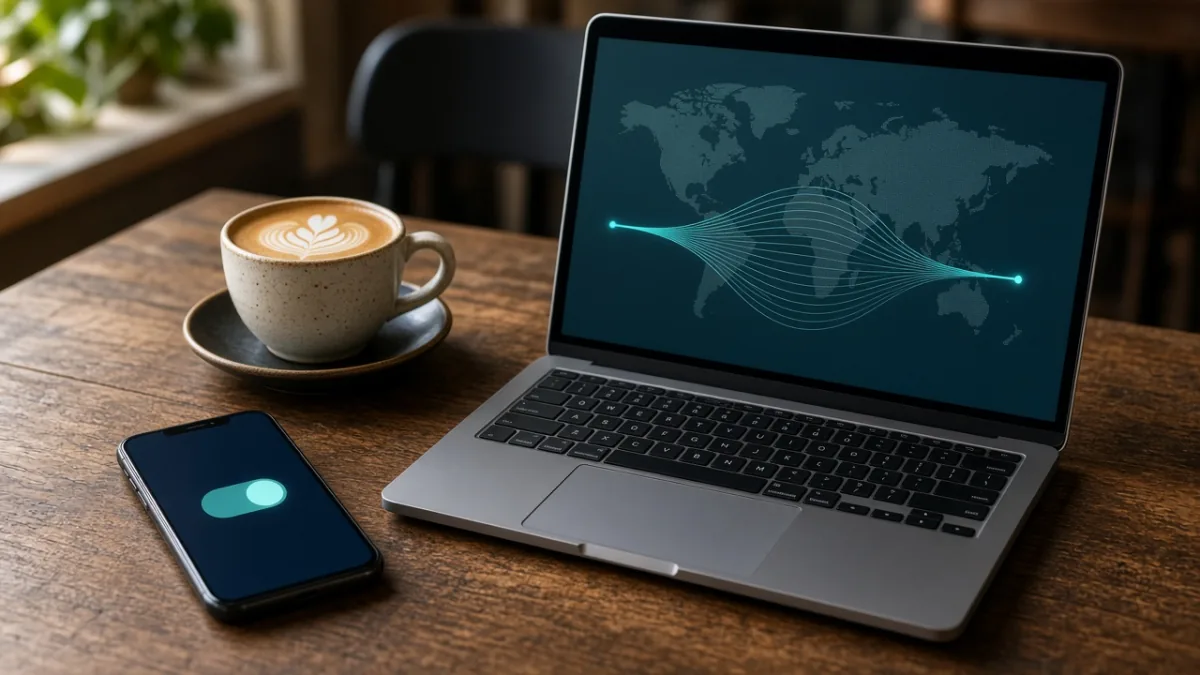
A VPN (Virtual Private Network) encrypts traffic between your device and a remote VPN server and masks your home or mobile IP address from destination websites. It is a practical tool for untrusted public Wi-Fi, reducing local ISP visibility, and remote work access—but it does not make you completely anonymous or stop phishing, malware, or cookie tracking.
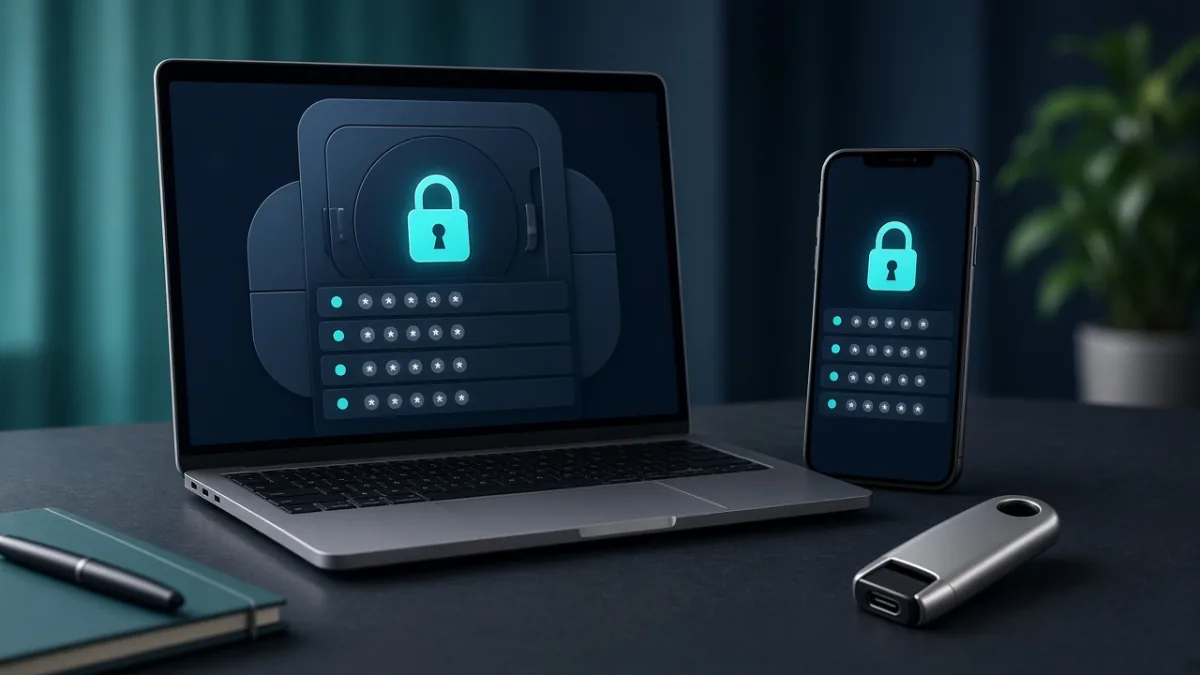
A password manager is an encrypted digital vault that generates, stores, and autofills unique passwords for every account you own. Paired with a long master passphrase and two-factor authentication (2FA), it is one of the simplest ways to stop password reuse without memorizing dozens of complex strings.
Clearing cache or cookies can fix many website display and sign-in problems without deleting everything. Start with the least disruptive option and review what is selected before confirming.
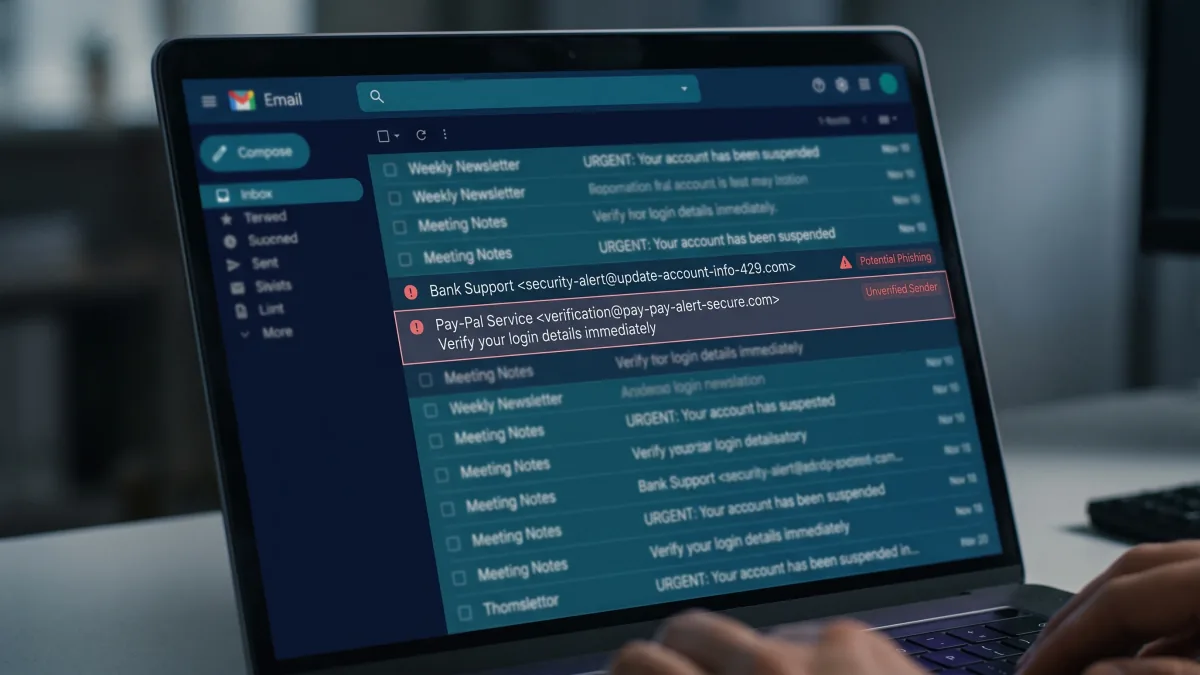
Phishing tricks you into trusting a fake request before you can verify it. Knowing the warning signs and what to do after clicking can protect your accounts.
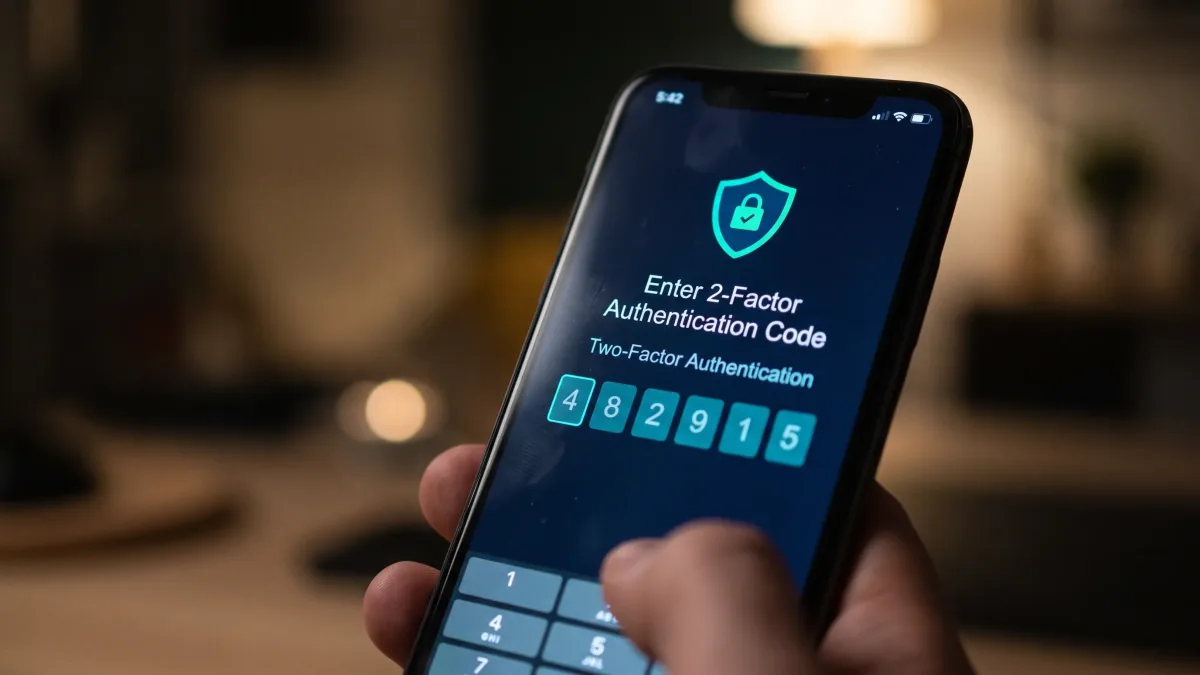
Two-factor authentication requires two distinct types of evidence to verify your identity. Understanding how it works helps you choose the right method and protect your recovery options.