The core difference between a checking (or current) account and a savings account is purpose: a checking account is built for frequent daily transactions—receiving your salary, paying bills, and using a debit card—while a savings account is built to hold money safely aside for emergencies and future goals, often earning interest. Because fees, withdrawal rules, and deposit protection vary by bank and country, comparing the full account schedule before opening either account keeps more of your money working for you.
When paying off multiple debts, both the Debt Snowball and Debt Avalanche methods require paying the mandatory minimum on every account first—they only differ in where you send your extra payment. Debt Snowball targets the smallest balance first to give you quick psychological wins, while Debt Avalanche targets the highest interest rate (APR) first to minimize total interest paid.
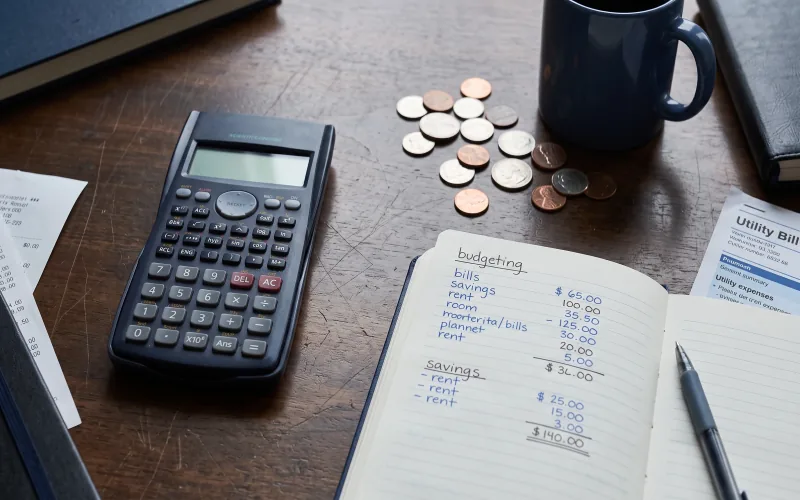
The simplest way to track monthly expenses is to record every purchase in one place, group your spending into nine clear categories (covering fixed, variable, and irregular costs), and run a 10-minute review once a week. You do not need to link your bank account to a paid app—a basic spreadsheet, notes app, or paper notebook gives you full visibility when used consistently.
An emergency fund is money set aside for unexpected expenses or a sudden loss of income. A common guideline is to save 3 to 6 months of essential living expenses — but your target depends on your income stability, family responsibilities, and local costs.
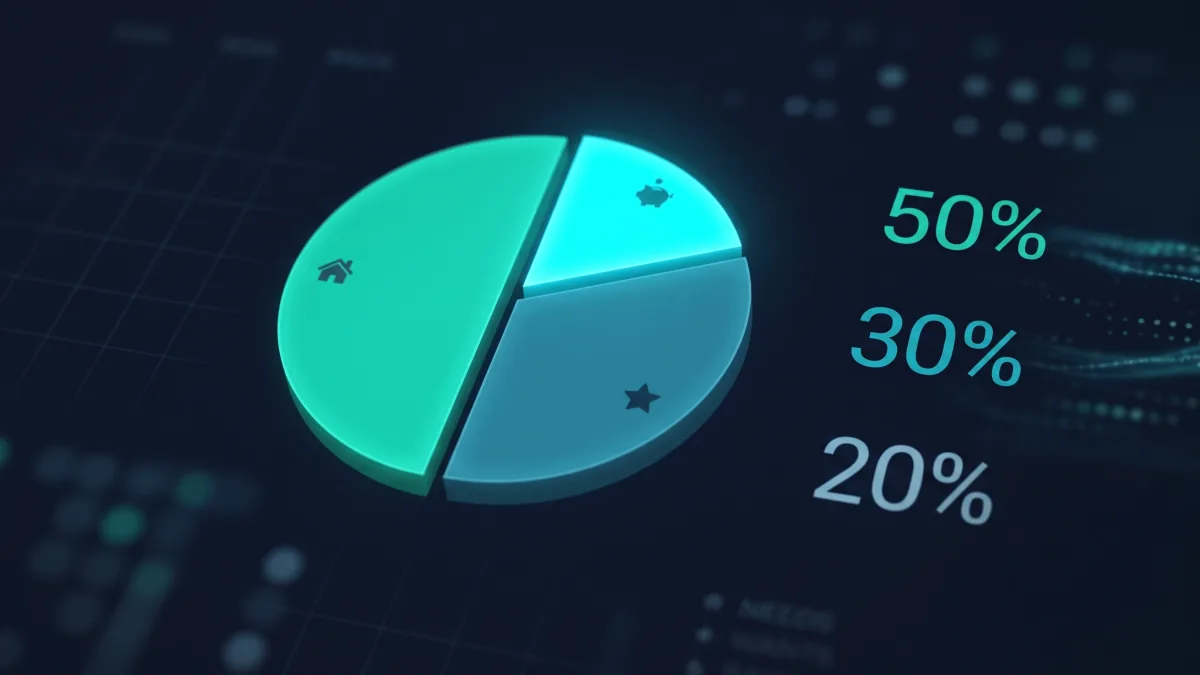
The 50/30/20 budget rule divides your take-home income into three groups: 50% for needs, 30% for wants, and 20% for savings and debt repayment. Treat it as a starting point, not a strict law.